
Richard Jones
Executive Director
Muasasa Hefazat Manabe Tabi'i Baraye Afghanistan Sabz
Natural Resources Protection Institute for a Greener Afghanistan
Mission
We partner with local councils, farmers, women-led cooperatives, and donors to restore degraded ecosystems, improve climate resilience, and strengthen transparent environmental governance under accountable nonprofit leadership.
Board Leadership
An independent board oversees fiduciary discipline, grant approvals, safeguarding, and annual strategic review.
Executive Director

Chair of the Board
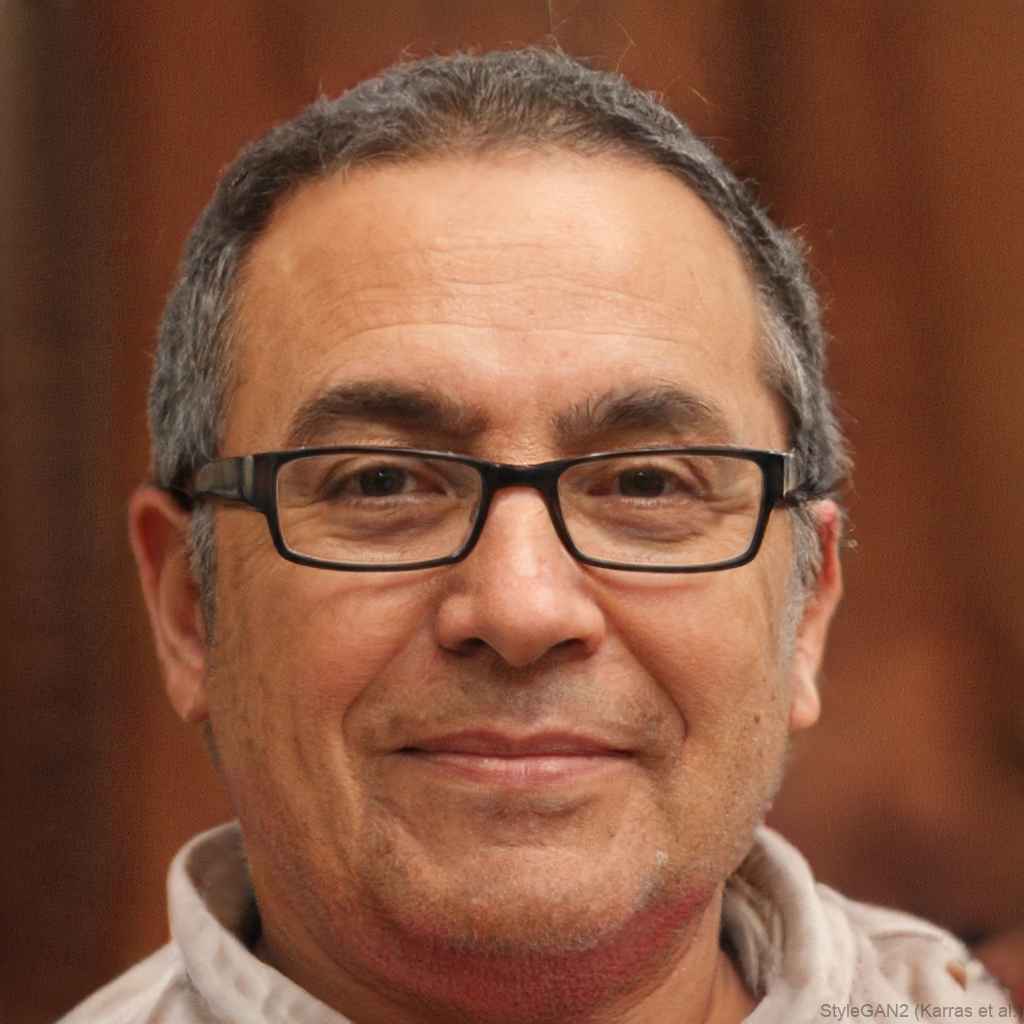
Program Oversight Lead

Audit Committee Member

Community Liaison Trustee

Grants and Compliance Trustee
Programs
Each program combines local stewardship with measurable environmental outcomes and board-approved accountability targets.
We rehabilitate springs, protect upstream catchments, and help water user groups monitor seasonal flow so farms and households face fewer dry-month shortages.
Seed grants and mentoring support nurseries, kitchen-garden networks, and small recycling enterprises that generate income while reducing pressure on fragile landscapes.
Village action teams stabilize slopes, reseed native grasses, and construct stone bunds that reduce flash-flood damage and preserve grazing routes.
Student clubs map illegal dumping, track tree survival, and publish local scorecards that inform municipal environmental response and donor reporting.
Annual Impact Report
Our featured report consolidates program delivery, audited spending categories, board resolutions, and district-by-district environmental gains.
The annual report documents 48 restoration sites, 126 community monitoring sessions, and a full audit trail for restricted and unrestricted funding.
Governance Policies
Core governance documents are published for public review to support transparent grantmaking and operational compliance.
Policy 01
Board and staff disclosure standards governing procurement, hiring, and partner selection.
Policy 02
Protocols for beneficiary protection, incident escalation, and secure referrals in field operations.
Policy 03
Anonymous reporting channels, investigation thresholds, and board-level remediation procedures.
Policy 04
Requirements for document controls, donor restrictions, and retention of financial evidence.
Financial Dashboard
A simplified budget view shows how board-approved funding is allocated across field delivery, oversight, and resilience infrastructure.
Case Study Spotlight
A single community story traces the full arc from risk identification to recovery, monitoring, and verified outcome.
A 2023 landslide cut irrigation channels, damaged orchard terraces, and left families considering seasonal displacement. The institute convened elders, women farmers, and district engineers to prioritize slope stabilization and spring rehabilitation.
Within eight months, the project restored stone retaining walls, trained a youth monitoring group, and replanted native species along erosion paths. Independent verification showed water access improved before the following planting season.
Stakeholder Testimonials
Three perspectives highlight program credibility, practical value, and confidence in financial stewardship.
“The institute’s reporting discipline makes it easy for our foundation to trace every restoration milestone back to a verified field result.
“The watershed team worked with our shura, not around it. That is why maintenance commitments stayed in place after construction finished.
“When the spring was repaired, our garden income returned. The women’s cooperative could plan again instead of waiting for outside help.
Upcoming Board Meetings & Events
Planned governance and public-facing events are published to support stakeholder participation and oversight.
15 May 2026
Review grant disbursement controls, approve internal audit scope, and confirm conflict-of-interest disclosures.
04 June 2026
Field partners present watershed and rangeland results to municipal representatives and institutional donors.
22 July 2026
Publication of year-to-date indicators, budget revisions, and board resolutions for partner review.
Donor Transparency
We translate contributions into tangible outputs so donors can understand what funding supports on the ground.
Every dollar contributed supports the protection or restoration of approximately 4.6 square meters of watershed, rangeland, or community green infrastructure.
Take Action
Support the organization financially, operationally, or through independent review.
Fund restoration work, women-led enterprise grants, and monitoring capacity.
Collaborate on district programming, research, or institutional grant delivery.
Inspect reports, policy documents, and summarized budget performance.
Submit a concept aligned with ecosystem recovery and community resilience.