Sites documented through field photos, partner logs, and post-implementation checks.
Impact & Reports
Evidence, reporting discipline, and field-level results in one public record.
This page brings together annual reporting, community outcome tracking, donor transparency, and operational learning from restoration, water, and resilience work delivered with local partners across Afghanistan.
Community Stewardship
Women-Led Resilience
Landscape Verification
Field Monitoring
Watershed Conditions
Community Restoration
Impact Snapshot
What the reporting cycle covers
Our public reporting combines output counts, outcome verification, budget control summaries, partner testimony, and corrective actions logged during implementation. The emphasis is not only on what was delivered, but on whether the work remained accountable, locally maintained, and environmentally relevant.
Monitoring sessions completed with local councils, youth groups, and women-led committees.
Households benefiting from improved access to water, erosion control, or climate adaptation support.
Board-level review cycles used to verify data consistency, spending controls, and follow-up actions.
Report Library
Featured reports and thematic briefs
Each report package is structured to help donors, partner institutions, and communities understand the chain from investment to implementation to verified result.
Annual Impact and Accountability Report
A full-year view of restoration outputs, governance decisions, community oversight participation, and budget adherence.
Download Summary PDF
Women-Led Livelihoods and Green Enterprise
Evidence from small-grant support, cooperative participation, and household-level resilience gains linked to women-led initiatives.
Open Brief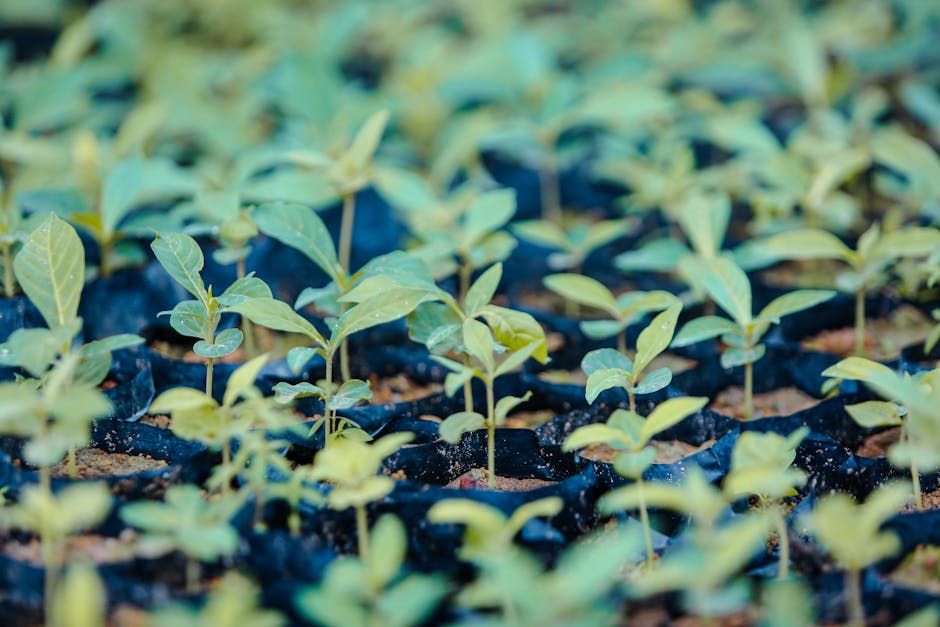
Rangeland and Erosion Control Review
Terrain stabilization evidence, maintenance commitments, and seasonal observations from slope and catchment protection sites.
Read Review
Youth Monitoring and Citizen Reporting
A practical summary of how youth groups collect local evidence, report issues, and support community accountability.
View Learning NoteMeasurement Framework
How results are tracked and verified
Indicators are grouped across environmental recovery, service access, participation quality, and fiduciary compliance so that reporting remains balanced and usable for both community and donor audiences.
Field Verification
94%
Budget Traceability
97%
Community Participation
88%
On-Time Reporting
91%
Field Evidence
Photo-backed reporting from landscapes and communities
Visual evidence is used to support narrative reporting, verify site conditions, and illustrate the relationship between local participation and ecological change over time.
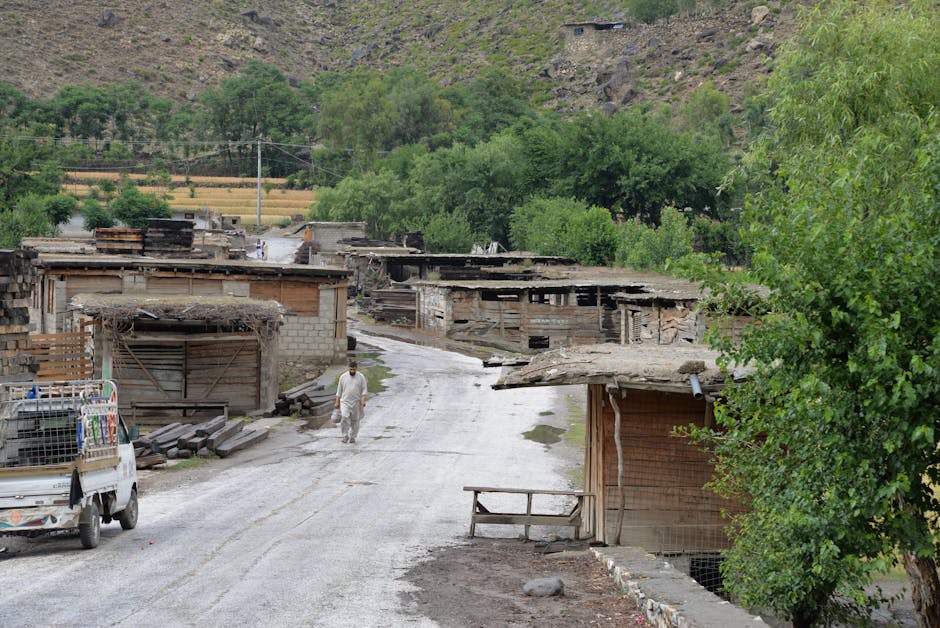
Landscape photography supports context, not just presentation
Scene imagery is paired with community records to show terrain conditions, access constraints, and environmental exposure before and after interventions. That allows reports to capture operational realities rather than isolated statistics.
Community imagery keeps reporting grounded
Photographs from restoration activities, meetings, and monitoring rounds help show who participated, what was built, and whether the work remains visible and maintained after delivery.
Featured Report
2025 restoration and resilience reporting package
The featured package consolidates annual outcomes, district notes, implementation risks, procurement observations, and board-approved financial highlights.
Public reporting built for scrutiny, not just promotion.
The package includes annual metrics, narrative case summaries, a summarized expenditure view, and a publication note describing how evidence was gathered and checked before release.
Publication Timeline
Reporting calendar and disclosure milestones
The reporting cycle includes internal consolidation, partner validation, board review, and public release windows so information is both timely and checked.
May 2026
Quarter 1 performance brief
Release of program updates, field verification notes, and early implementation risks requiring management follow-up.
July 2026
Mid-year financial and output review
Board-reviewed summary of spending categories, delivery pace, and priority adjustments across active field sites.
January 2027
Annual impact publication
Consolidated annual report combining metrics, photos, partner inputs, and accountability statements for stakeholders.
Transparency Commitments
What readers should expect from every report
Reports are intended to be useful records for oversight, partnership, and learning. They should communicate where funds went, what changed on the ground, what still needs work, and how follow-up decisions are made.
4 Layers
Every major publication combines field results, financial context, governance review, and implementation learning so stakeholders can judge performance in a complete way.
Environmental outputs and recovery indicators
Layer 1
Community participation and beneficiary voice
Layer 2
Budget use, restrictions, and audit readiness
Layer 3
Risks, corrections, and next reporting actions
Layer 4