Donate for Restoration
Fund trees, erosion controls, tools, and community labor plans.
Muasasa Hefazat Manabe Tabi'i Baraye Afghanistan Sabz
Natural Resources Protection Institute for a Greener Afghanistan
Get Involved
Your support helps Muasasa Hefazat Manabe Tabi'i Baraye Afghanistan Sabz expand restoration work, equip local stewards, back women-led green enterprise, and strengthen practical climate resilience where it matters most.
Ways To Help
Individuals, institutions, and community allies can contribute in different ways, but each path supports accountable environmental work grounded in local participation.
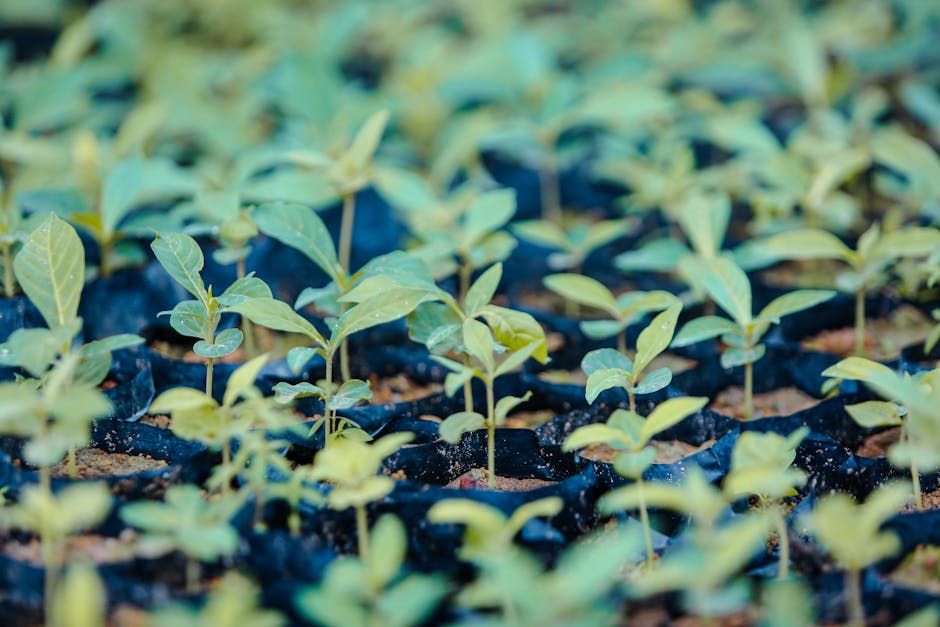
Fund trees, erosion controls, tools, and community labor plans.
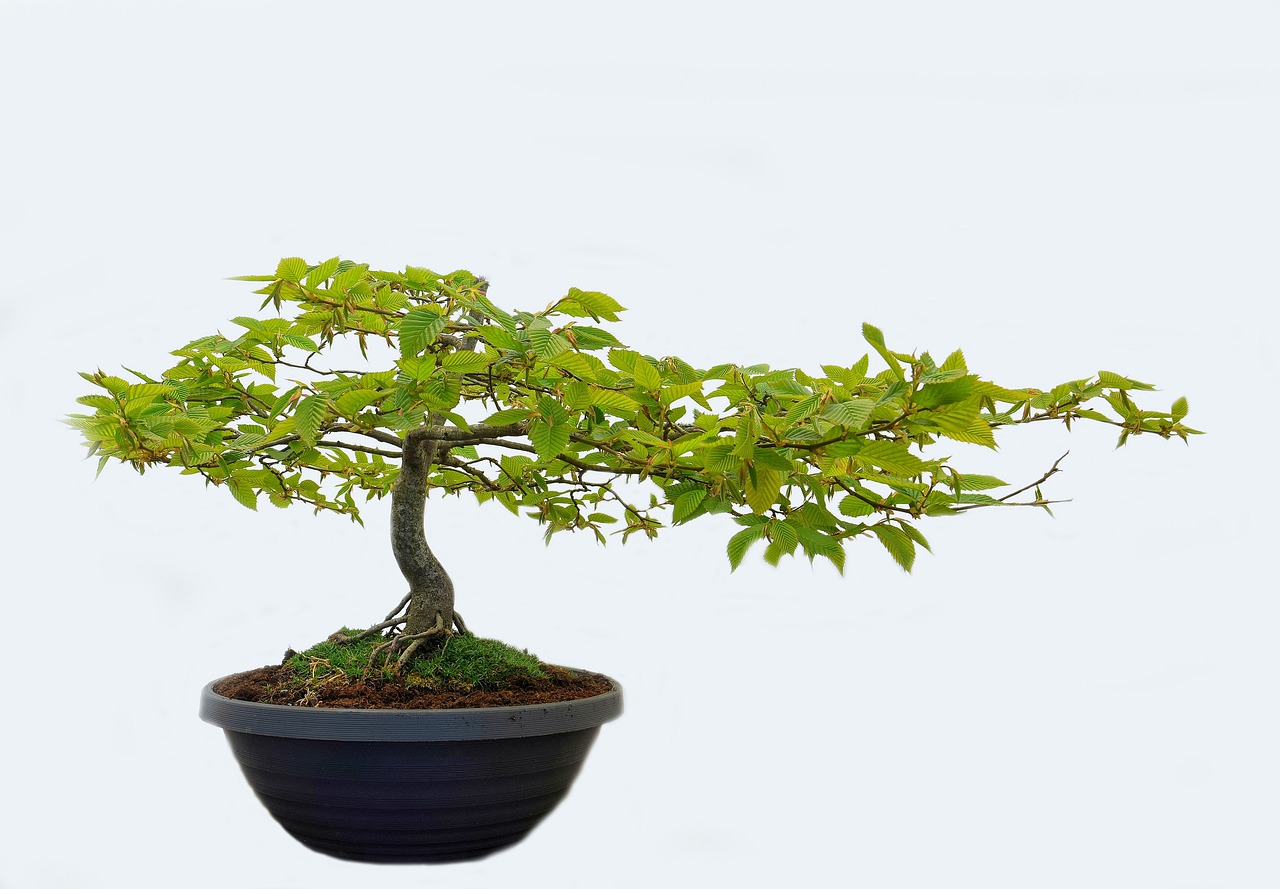
Back district-level projects with clear outputs and transparent reporting.
Contribute training, technical review, translation, or outreach capacity.
Collaborate on research, implementation, co-funding, or field verification.
Priority Areas
Every contribution is tied to practical needs that communities can maintain, monitor, and build on after the initial intervention is complete.
Donors and partners help finance catchment repair, basic hydrology monitoring, and irrigation protection so villages face fewer seasonal disruptions.
Support can underwrite seed grants, nursery materials, cooperative mentoring, and market-readiness training for income-generating environmental enterprises.
Volunteers and grant partners can expand youth monitoring clubs, community awareness sessions, and local data collection for restoration follow-up.
Institutional support enables stone bunds, native reseeding, and erosion-control works that protect farms, roads, and grazing routes from repeated damage.
We look for involvement that is practical, transparent, and aligned with community ownership. The strongest support helps communities maintain assets after project delivery, not just launch them.
Field Gallery
These images reflect the landscapes, meetings, and collective work that define our engagement model and the communities behind it.
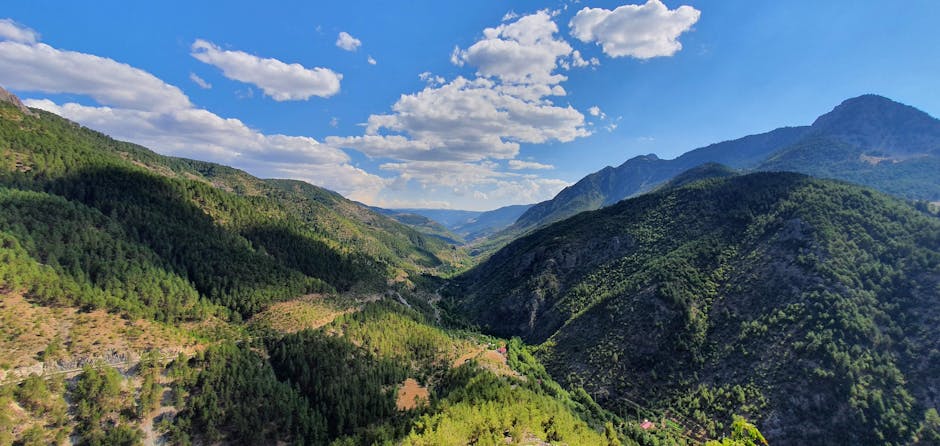
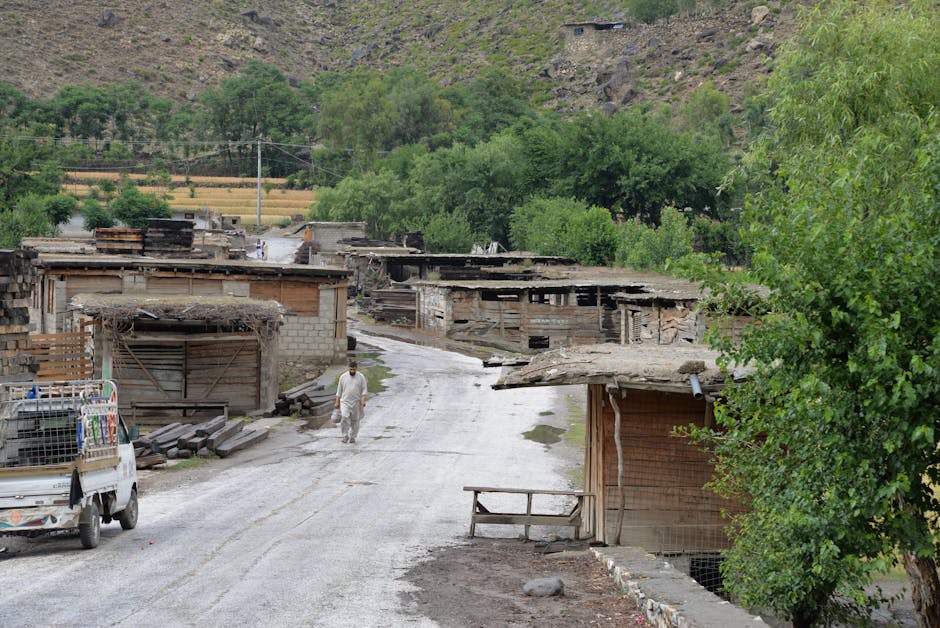
Support for watershed recovery begins with fragile terrain like this.
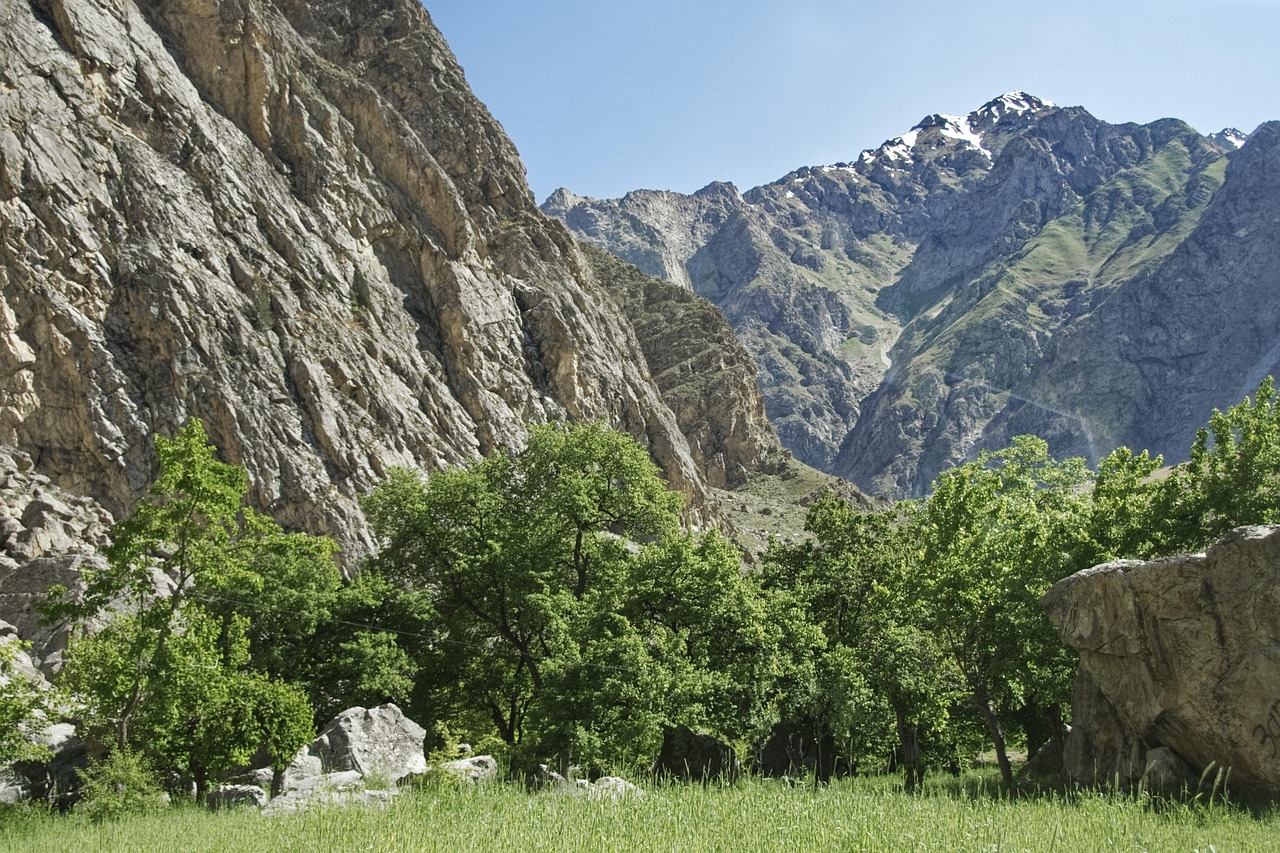
Partners help communities plan around drought, flood, and erosion risk.
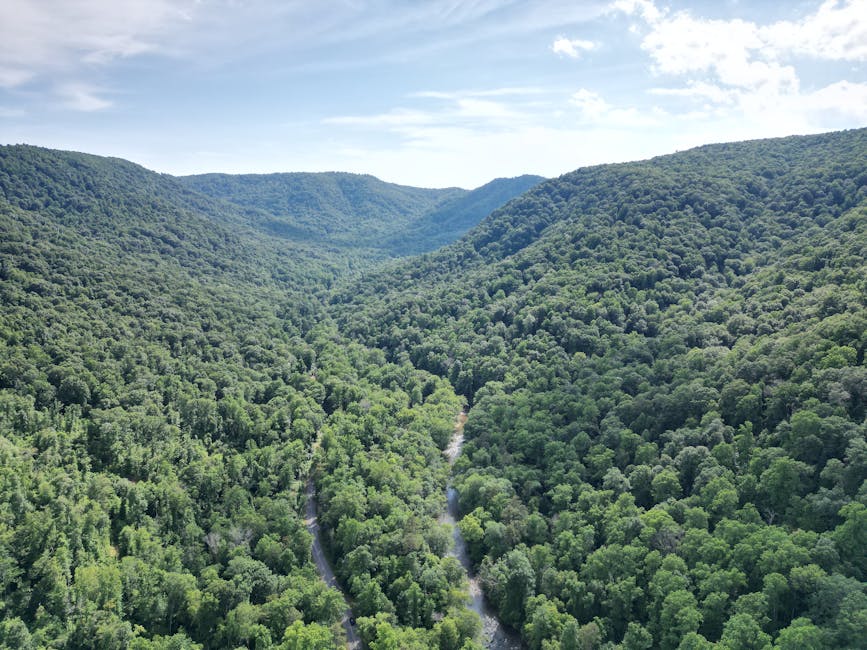
Funding turns vulnerable landscapes into managed, productive assets.
Village-level action keeps restoration rooted in local commitment.
Support works best when communities co-design and co-monitor delivery.
Volunteers and technical partners can strengthen local implementation skills.
Youth engagement builds continuity for long-term environmental care.
Support Model
Whether you contribute as a donor, volunteer, or implementing partner, we focus effort where community demand and ecological risk are both clear.
Next Steps
The process is intentionally simple: define your interest, align it with a field need, and move forward with clear expectations on communication and accountability.
Step 01
Tell us whether you want to donate, volunteer, co-design a project, sponsor a district priority, or provide technical support.
Step 02
We share the most relevant program area, expected scope, and the kind of contribution that would be most useful.
Step 03
Once the fit is clear, we define outputs, reporting cadence, communication points, and any field or review milestones.
Step 04
Implementation proceeds with documented updates so stakeholders can see how support is being translated into local action.
Act Now
We welcome direct funding, operational collaboration, technical expertise, and long-term partnership built around measurable environmental outcomes.
Fund restoration materials, field delivery, and local stewardship tools.
Offer training, communications, translation, data, or environmental expertise.
Coordinate with us on grants, implementation, research, or verification.
Read reports and governance materials before committing support.